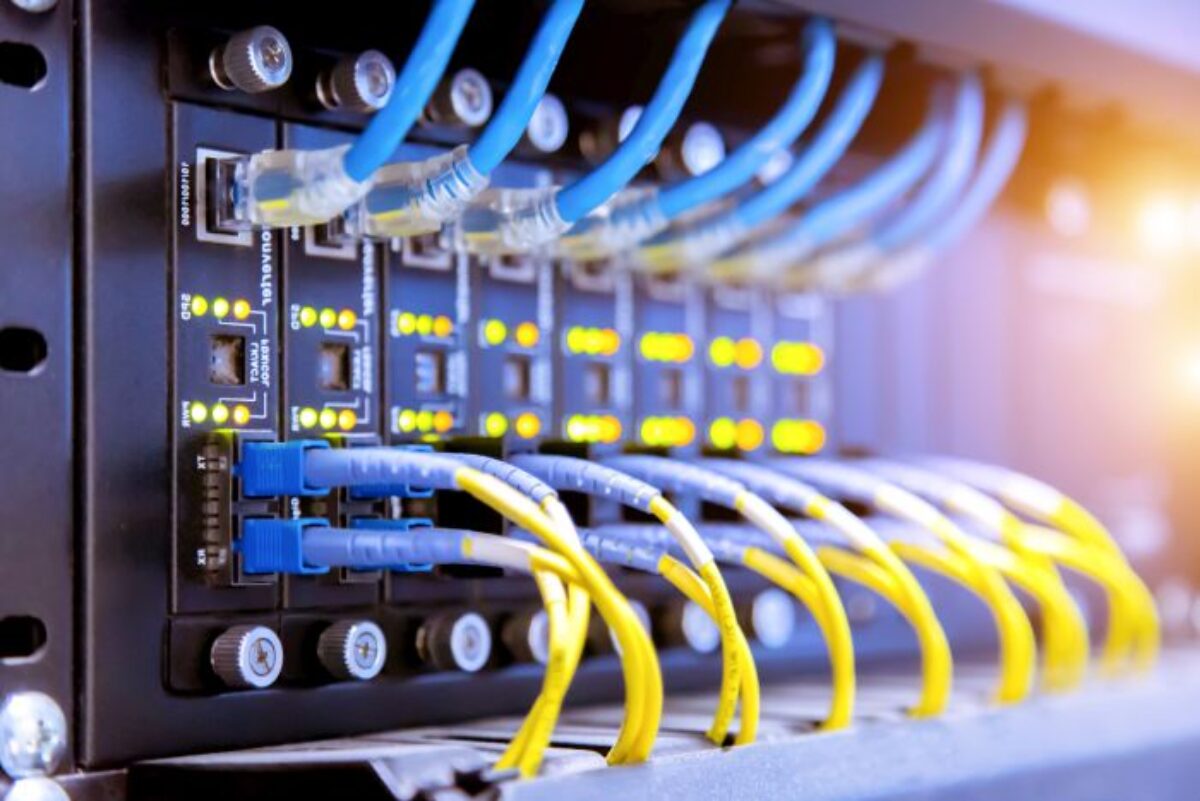
Residential Structured Cabling
Residential structured cabling is a home’s central wiring system for voice, data, video, security, and audio signals. It is installed during construction or remodeling to deliver organized, reliable, and efficient connectivity throughout the house. The system includes a structured wiring enclosure that serves as the main distribution point, with various types of low-voltage cables—such as CAT6 Ethernet or fiber optic—running to different rooms to connect devices like TVs, computers, phones, and smart home components. This setup ensures high-performance connectivity for both wired and wireless technologies.
How It Works
• Central Hub: A wall-mounted enclosure acts as the command center, housing modules for different services such as data, phone, or video distribution.
• Cabling: Low-voltage cables run from the central hub to every room or location where a connection is needed.
• Distribution: Modules inside the enclosure distribute signals for internet, TV, phone, security systems, and other home technologies.
Benefits
• Organized Connectivity: All low-voltage wiring is centralized in one structured location, making management and troubleshooting easier.
• Improved Performance: Wired connections for devices like smart TVs, gaming consoles, and computers reduce the load on Wi-Fi, improving wireless performance throughout the home.
• Future-Proofing: Structured wiring supports new technologies and home automation systems, making upgrades easier and more cost-effective.
• Easier Installation: Installing the system during construction ensures a clean, seamless setup that integrates into the home’s infrastructure.
Types of Cabling
• Copper (e.g., CAT6/CAT6A): A widely used and cost-effective option for data and voice, offering excellent speed and capacity for most residential needs.
• Fiber Optic: Provides the highest bandwidth, fastest speeds, and superior resistance to interference—ideal for high-performance networks and advanced home systems.
• Coaxial: Although less common for modern high-speed data, it remains useful for applications like CCTV, legacy entertainment systems, or cable TV distribution.